Close Menu
 World
 Biography
 Health
 Education
 Business
 Lifestyle
 Sports
 Technology
 Animals
 History
 Food
 Religious
 Startups
 Movies
 Politics
 Fashion
 Covid
 Diet
 Fitness
 Marketing
 Travel
 Science
 Reviews
 Social media
 Stories
 Facts
 Art
 Entertainment
jack adam

Technology
How Wealth Management CRM Software Improves Client Relationship Management
 jack adam
Managing client relationships is one of the most important aspects of successful wealth management. Financial advisors and investment firms must understand client needs, maintain consistent communication, track financial information, and deliver personalized services to build long-term relationships.
As client expectations continue to grow, traditional relationship management methods can make these responsibilities increasingly difficult. Managing client records through spreadsheets, emails, and disconnected systems often leads to information gaps, missed follow-ups, and unnecessary administrative work.
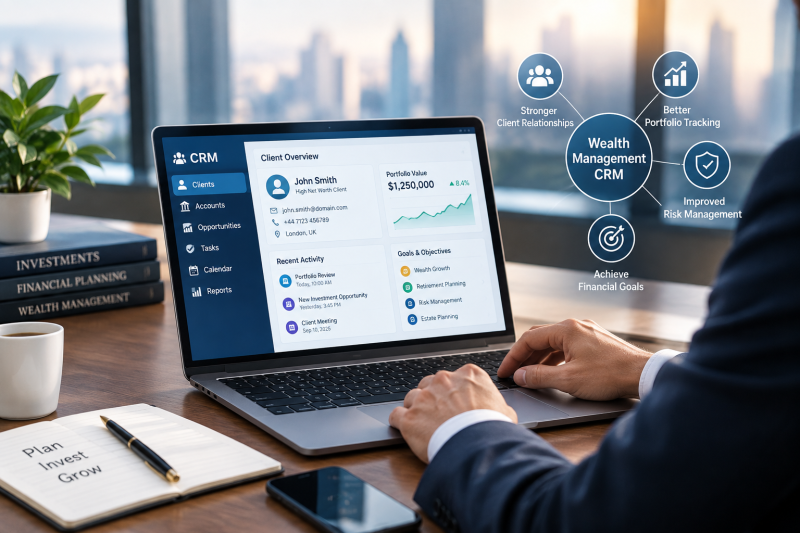
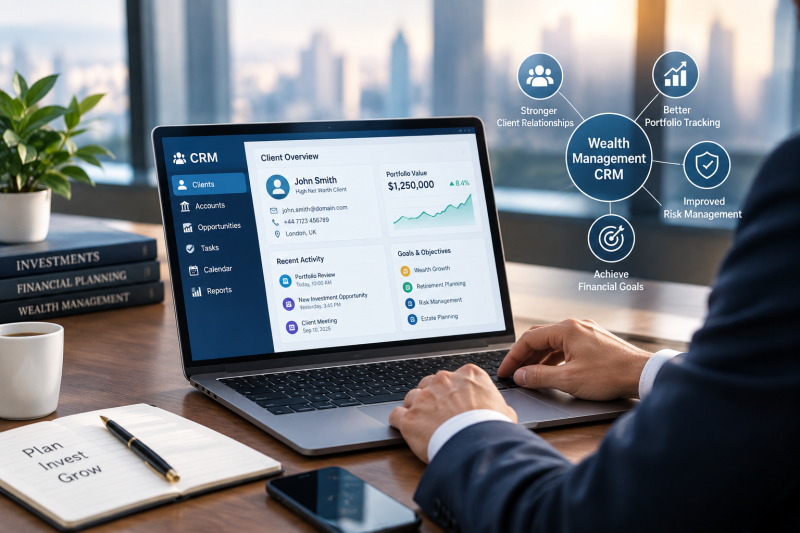
Wealth management CRM software helps financial professionals overcome these challenges by centralizing client information, automating routine tasks, and improving communication throughout the client relationship lifecycle. With advanced CRM capabilities, firms can deliver more personalized experiences while improving operational efficiency.
Centralized Client Information
One of the biggest challenges in wealth management is maintaining accurate and accessible client information. Financial advisors need to understand client preferences, investment goals, financial history, communication records, and portfolio-related details.
Wealth management CRM software brings this information together in one centralized platform. Instead of searching through multiple systems, professionals can access relevant client records from a single location.
A centralized database helps advisors understand client relationships more effectively, reduce duplicate information, and maintain consistent records.
Having organized information also makes it easier for teams to prepare for meetings, review previous interactions, and provide more informed recommendations.
Personalized Client Communication
Building strong client relationships requires regular and meaningful communication. Wealth management clients expect timely updates, relevant financial information, and services that reflect their individual goals.
CRM software helps financial advisors organize communication activities and maintain detailed interaction histories.
Teams can track previous conversations, schedule follow-ups, send personalized messages, and organize client engagement activities.
With access to client preferences and relationship history, advisors can provide more relevant information instead of relying on generic communication.
Personalized engagement helps strengthen trust and supports long-term client relationships.
Automated Client Relationship Workflows
Wealth management professionals often spend considerable time managing administrative activities, including scheduling meetings, updating client records, sending reminders, and following up on important requests.
Performing these tasks manually can reduce the time available for client engagement and strategic planning.
Wealth management CRM software helps automate repetitive workflows through reminders, task assignments, scheduled communications, and automated record updates.
For example, advisors can receive reminders for upcoming client reviews, important follow-ups, and pending administrative tasks.
Automation helps reduce manual work, improve accountability, and ensure that important client activities are not overlooked.
Improved Client Segmentation
Not all wealth management clients have the same financial goals, investment preferences, or service requirements.
Some clients may focus on long-term wealth preservation, while others may prioritize portfolio growth, retirement planning, or alternative investments.
CRM software allows firms to organize clients into different segments based on relevant information, preferences, and relationship characteristics.
This segmentation helps financial advisors identify client needs and deliver more targeted communication.
It also allows firms to organize engagement strategies and allocate resources more effectively.
Better Client Retention and Relationship Tracking
Maintaining existing client relationships is essential for sustainable growth in wealth management.
However, identifying clients who need additional attention can be difficult when relationship information is spread across multiple platforms.
CRM software helps firms monitor client interactions, review engagement histories, and track relationship activities.
Advisors can identify clients who have not received recent communication, monitor outstanding requests, and schedule regular relationship reviews.
These capabilities help firms maintain consistent engagement and identify potential relationship concerns before they become bigger problems.
Data-Driven Insights for Better Decisions
Modern wealth management CRM platforms provide reporting and analytical capabilities that help firms understand client relationships and business performance.
Financial professionals can review engagement activity, monitor client interactions, track opportunities, and evaluate relationship management performance.
AI-powered CRM solutions can take these capabilities further by helping teams summarize client information, identify patterns, and generate useful insights from available data.
These insights allow advisors to make more informed decisions and prioritize activities that support stronger client relationships.
Enhanced Team Collaboration
Client relationship management often involves multiple professionals, including financial advisors, relationship managers, investment specialists, and administrative teams.
When these professionals use disconnected systems, sharing important information can become challenging.
Wealth management CRM software provides a centralized environment where authorized team members can access relevant client records, review communication histories, and coordinate activities.
Shared information improves collaboration and helps ensure that clients receive consistent service regardless of which team member handles their requests.
It also reduces unnecessary internal communication and improves operational efficiency.
Improved Data Security and Compliance Support
Wealth management firms handle sensitive client information, financial records, and confidential documents. Protecting this information is essential for maintaining client trust.
Modern CRM platforms can offer security features such as role-based access controls, activity tracking, secure document management, and audit trails.
These capabilities help firms control access to sensitive information and maintain better oversight of client-related activities.
CRM software can also support compliance workflows by organizing records and making relevant information easier to retrieve. However, firms must still follow applicable regulatory requirements and maintain appropriate compliance procedures.
The Role of AI in Wealth Management CRM
Artificial intelligence is changing how wealth management firms manage client relationships and organize their operations.
AI-powered CRM technology can help summarize client interactions, identify engagement patterns, organize information, and automate repetitive administrative activities.
For example, advisors can use AI capabilities to review communication histories, prepare for client meetings, and identify relationships that may require additional attention.
These tools help reduce time spent on manual information management and allow financial professionals to focus more on delivering personalized client services.
As AI technology continues to evolve, its integration with wealth management CRM systems will create new opportunities for improving relationship management.
How InvestorFlow Supports Modern Investment Relationship Management
As investment firms manage increasingly complex relationships, they need technology that connects CRM capabilities with broader investment operations.
InvestorFlow is an AI-powered private markets platform designed for private equity, private credit, and other alternative investment firms.
Its CRM capabilities help investment professionals centralize investor information, manage relationship activities, organize fundraising pipelines, and improve visibility across business workflows.
By bringing important information together in one platform, InvestorFlow helps firms reduce disconnected processes and manage investor relationships more efficiently.
For investment organizations working across private markets, integrated CRM technology provides a foundation for better collaboration, organized relationship management, and more informed business decisions.
Conclusion
Wealth management CRM software plays an important role in improving client relationship management. By centralizing client information, automating administrative tasks, supporting personalized communication, and providing valuable insights, CRM technology helps financial professionals deliver more consistent client experiences.
As wealth management becomes increasingly competitive, firms need modern technology to manage relationships effectively and maintain long-term client trust.
Adopting an advanced CRM platform can help organizations improve operational efficiency, strengthen client engagement, and build lasting relationships that support sustainable business growth.
Source:
Click for the: Full Story
You might like